
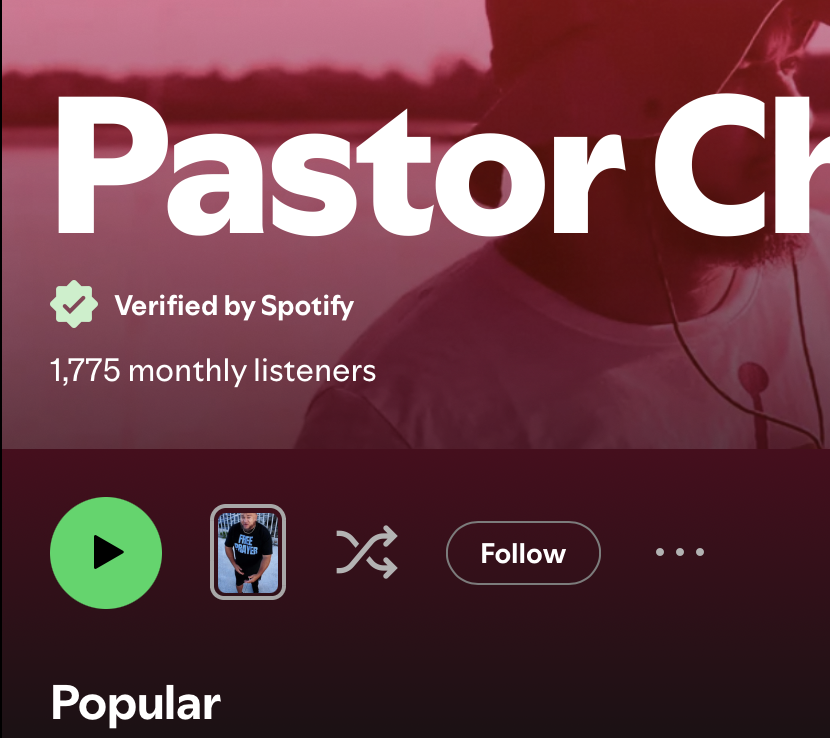
Spotify’s New Verification System Explained
This verification system is part of a broader push from Spotify to provide more transparency around the music listeners are discovering.
What Is “Verified by Spotify”?
The new “Verified by Spotify” badge is a verification system that appears on artist profiles and in Spotify search results.
According to Spotify, the badge signals that:
The artist profile has been reviewed
The artist meets Spotify’s authenticity and trust criteria
The artist represents a real and active music presence
This verification system is part of a broader push from Spotify to provide more transparency around the music listeners are discovering.
In addition, Spotify is expanding features such as SongDNA, AI credits, expanded song credits, about the song, artist profile protection, and artist activity insights. Together, these tools are designed to help listeners better understand the people behind the music they’re listening to.
How to Get Verified on Spotify
Spotify says verification is based on authenticity, artist activity, and audience trust. Artists can improve their chances of getting verified on Spotify by:
Completing their Spotify for Artists profile
Building consistent listener engagement
Connecting active social media accounts
Maintaining authentic artist activity
Following Spotify’s platform policies
Spotify also mentioned that touring activity, merchandise, branding, and ongoing fan engagement may help demonstrate a real artist presence.
What Spotify Looks For When Verifying Artists
Consistent Listener Engagement
Spotify is prioritizing artists with sustained listener activity over time, not just one viral moment or short-term spike in streams. This means long-term audience building matters more than ever.
Good Standing With Spotify Policies
Artists and their music must comply with Spotify’s platform rules and policies.
Signs of a Real Artist Presence
Spotify specifically mentioned looking for signals of an identifiable artist both on and off-platform, including:
Touring activity
Merchandise
Linked social accounts
Ongoing artist activity
Consistent branding and identity
This suggests Spotify is placing increasing value on artist presence beyond just streaming numbers.
What This Means for Independent Artists
One of the biggest takeaways from Spotify’s announcement is that verification is not limited to major label artists. Spotify says that the majority of verified artists at launch are independent artists across genres, regions, and career stages.
That’s important because it suggests verification is less about industry status and more about authenticity, activity, and audience trust. For independent artists, this reinforces the importance of:
Building a real fanbase
Maintaining active social profiles
Creating consistent artist branding
Engaging with listeners regularly
Establishing presence outside of streaming platforms
Steps to work towards verification:
Complete Your Spotify for Artists Profile
Make sure your Spotify Artist Profile:
Bio is updated
Photos are professional and current
Social links are connected
Merch integrations are active
Concert listings are accurate
Focus on Long-Term Growth
Spotify appears to value sustained artist activity over short-term viral moments. Artists should focus on:
Releasing music consistently
Growing an engaged audience
Building genuine fan relationships
Maintaining active social profiles
Build a Recognizable Artist Brand
As AI-generated music becomes more common, artist identity matters more than ever. Sharing behind-the-scenes content, maintaining consistent branding, and actively engaging with fans may help strengthen an artist's credibility over time.
The Bigger Shift Happening
AI isn’t going anywhere…For independent artists, this is a reminder that building a real fanbase, maintaining a strong artist identity, and staying active both on and off Spotify can play a major role in long-term growth and visibility on the platform.
—
FAQS
How do artists get verified on Spotify?
Spotify hasn't released an official application process yet, but artists can improve their chances of verification by maintaining an active artist profile, building consistent listener engagement, linking social accounts, and demonstrating real-world artist activity, such as touring, merch, and regular releases.
Can independent artists get verified on Spotify?
Yes. Spotify stated that many artists verified at launch are independent artists across different genres and career stages. Verification appears to focus more on authenticity and artist activity than label affiliation.
Does Spotify verification require a certain number of monthly listeners?
Spotify hasn't announced a minimum monthly listener requirement for verification. Instead, the platform appears to prioritize long-term engagement, consistent activity, and authentic audience growth.
Are AI-generated artists eligible for Spotify verification?
Spotify says profiles that primarily feature AI-generated artists or AI personas are currently ineligible for verification. The system is designed to help listeners identify authentic human artists.
What does Spotify look for when verifying artists?
Spotify looks for signals that an artist has a real and active presence. This may include consistent listener engagement, connected social accounts, touring activity, merchandise, updated artist profiles, and compliance with Spotify’s platform policies.
Is the new “Verified by Spotify” badge different from Spotify for Artists verification?
Yes. The new “Verified by Spotify” badge is separate from the traditional Spotify for Artists profile verification. The new system focuses more heavily on artist authenticity, trust, and transparency in the growing era of AI music.
Does Spotify verification affect Spotify playlist placement?
Spotify hasn't stated that verification directly impacts editorial playlist placement or algorithmic recommendations. However, maintaining an active and authentic artist presence may support long-term growth on the platform.
Credit: Playlist Push

The Crucial Role of SEO in Music Marketing
Unlock the potential of your music career with our latest video on the importance of SEO for music artists! Dive into the world of Search Engine Optimization and discover how it can elevate your online presence, boost discoverability, and connect you with a wider audience.
In the digital age, the music industry has transformed significantly with the advent of streaming services, social media, and online marketing strategies. Among these strategies, Search Engine Optimization (SEO) emerges as a key component that music producers, artists, and managers should not overlook. SEO not only enhances the digital presence and footprint of music artists but also serves as an efficient tool in their marketing arsenal.
Understanding the Basics of SEO
SEO, or Search Engine Optimization, refers to the process of optimizing online content so that a search engine prefers to show it as a top result for searches of a certain keyword. This technique involves incorporating specific keywords into website content, which enables search engines like Google to rank these sites higher in search results. Consequently, this results in more organic traffic without the need to spend on high-budget advertisements every month.
Why SEO Matters in Music
The music industry, like many others, has progressively shifted towards digital platforms. This shift means that artists and their management teams need to ensure their digital presence is not only visible but prominent. Here are several reasons why SEO is indispensable for music artists:
Organic Visibility: SEO provides an organic way for artists to increase their visibility. Unlike paid ads, which require substantial budgets, SEO helps in building a sustainable online presence.
Cost-Effectiveness: Many artists spend significantly on influencers and advertisements without realizing the potential of SEO in driving traffic and engagement at a lower cost.
Targeted Audience: Through SEO, artists can understand where their organic clicks are coming from, allowing them to tailor their marketing efforts accordingly.
The Application of SEO in the Music Industry
For music artists, SEO can be a game-changer in several ways. It's not just about the website's homepage or about page; every element, including song titles and blog posts, holds value in SEO. Here are some actionable steps for music artists to leverage SEO:
Website Optimization
Every artist should have a personal website with a domain name that reflects their artist name. This site should be optimized for SEO, which includes having a user-friendly design, fast loading times, and mobile optimization.
Content Marketing Through Blogs
Creating a blog section on the artist's website can significantly aid in SEO efforts. Blogs provide a platform to publish fresh, keyword-rich content regularly, which search engines favor.
Effective Link-Building Strategies
Link building involves acquiring hyperlinks from other websites to your own. For music artists, this could mean getting featured on music blogs, news sites, and other platforms where each backlink serves as a vote of confidence in the eyes of search engines.
The Importance of SEO Experts
Given the complexity and dynamic nature of SEO, hiring an expert or collaborating with an agency can greatly benefit music artists. The cost varies widely based on the scope of services, but investing in professional SEO services can yield substantial returns in terms of online visibility and audience engagement.
In conclusion, SEO is a powerful tool that music artists need to incorporate into their digital marketing strategies. It's not just about getting found online; it's about building a strong digital presence that attracts and retains an audience. By understanding and applying SEO principles, artists can navigate the digital landscape more effectively, ensuring that their music reaches and resonates with the right audience. Whether just starting or looking to scale up their digital presence, music artists should consider SEO a priority in their marketing efforts.